Conclusion
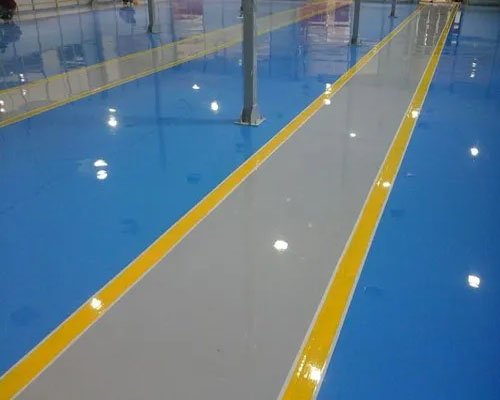
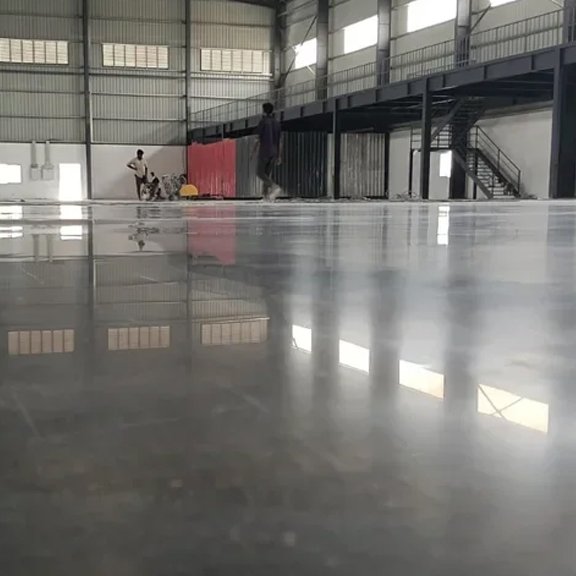
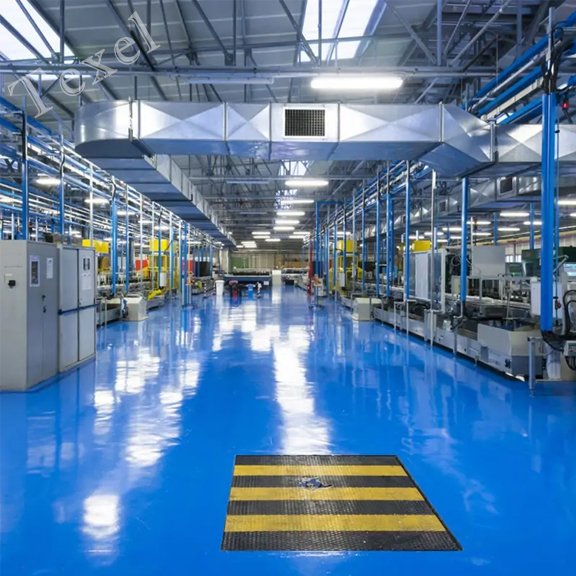
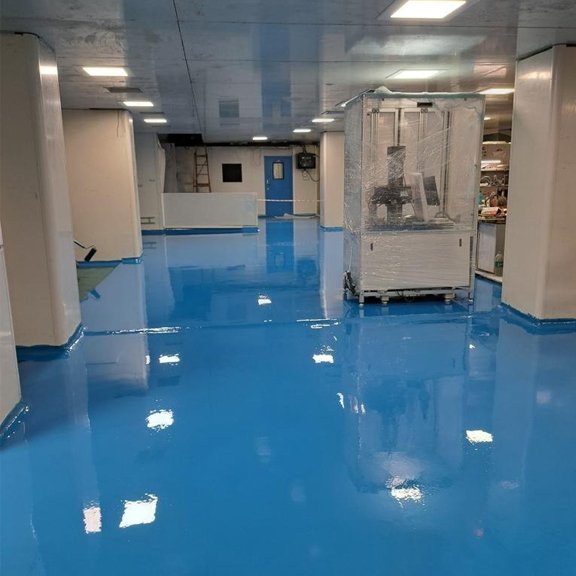
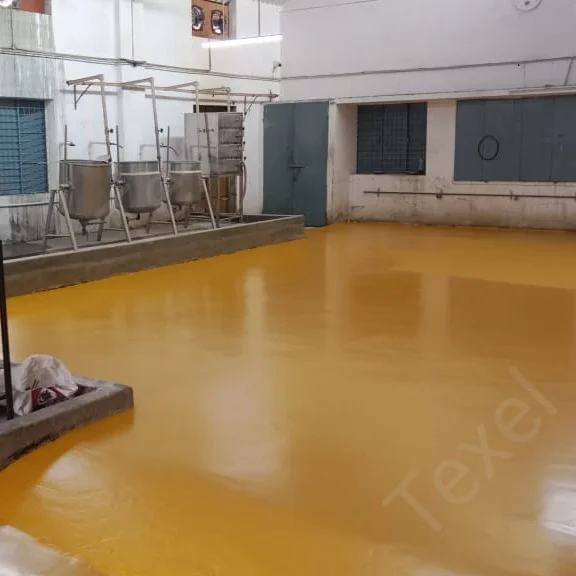
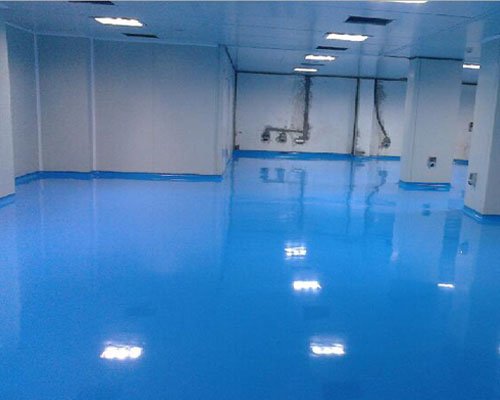
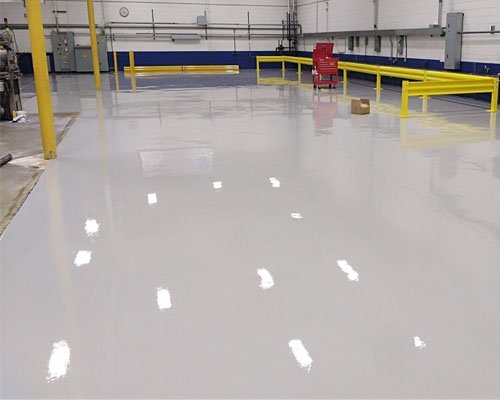
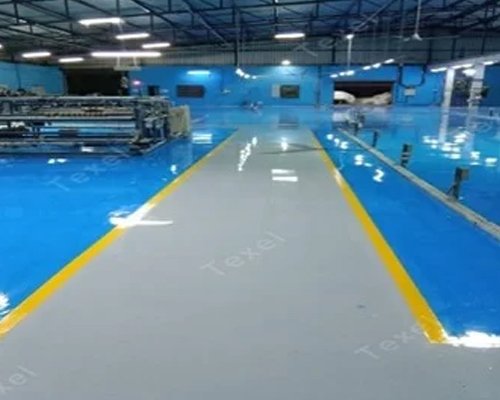
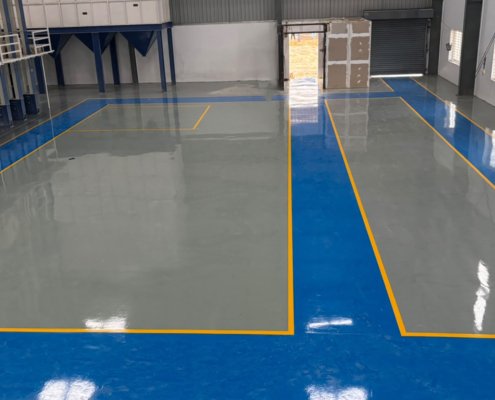
Texel Agency Industrial Epoxy Flooring Services in Chengalpattu offer practical flooring solutions for factories, warehouses, engineering units, automobile plants, textile facilities, pharmaceutical areas, food-processing units, laboratories and other demanding environments. Epoxy coating, self-leveling flooring, heavy-duty epoxy, epoxy screed and anti-static systems can be selected according to specific operational requirements.
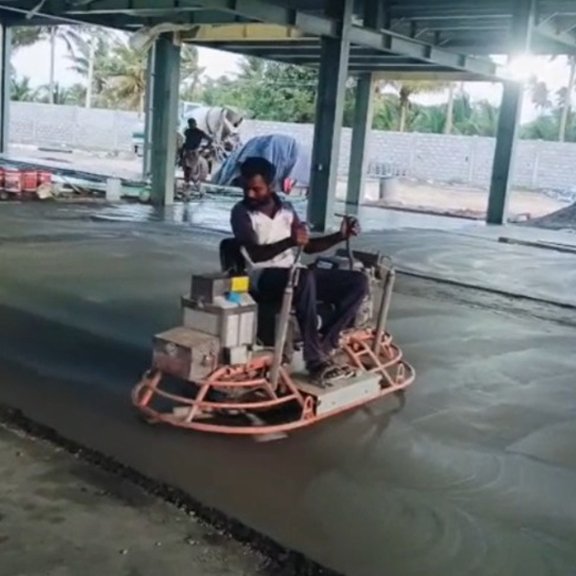
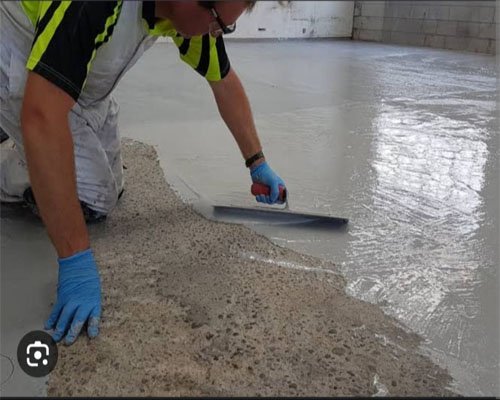
For a successful project, the floor should first be inspected and properly prepared, followed by selection of a compatible flooring system and professional application. Comparing substrate preparation methods, coating thickness, chemical resistance, slip resistance, curing requirements and maintenance expectations can help businesses choose an industrial flooring system suited to their facility.
FAQs – Industrial Epoxy Flooring Services in Chengalpattu
- What is industrial epoxy flooring?
Industrial epoxy flooring is a resin-based protective flooring system applied over a properly prepared concrete substrate to provide a durable, seamless and maintainable surface.
- Where is epoxy flooring used?
It is used in factories, warehouses, workshops, engineering units, automobile plants, textile facilities, laboratories, pharma and food-processing areas, electronics facilities and other industrial spaces.
- Is epoxy flooring suitable for factories?
Yes, epoxy systems are widely used in industrial environments, but the flooring specification should be selected according to traffic, loads, chemicals, moisture and operating conditions.
- What types of epoxy flooring are available?
Common options include epoxy floor coating, self-leveling epoxy, heavy-duty epoxy, epoxy screed, chemical-resistant epoxy and anti-static/ESD epoxy flooring.
- Is industrial epoxy flooring easy to clean?
A properly installed seamless epoxy surface is generally easier to clean and maintain than damaged or highly porous concrete flooring.
- Can epoxy flooring resist chemicals?
Specialized epoxy systems can provide resistance to selected chemicals. Chemical compatibility should be confirmed for the specific substances used at the facility.
- Can epoxy flooring be made slip resistant?
Yes. Suitable textured finishes or aggregate systems can be incorporated where additional slip resistance is required.
- Is epoxy flooring suitable for warehouses?
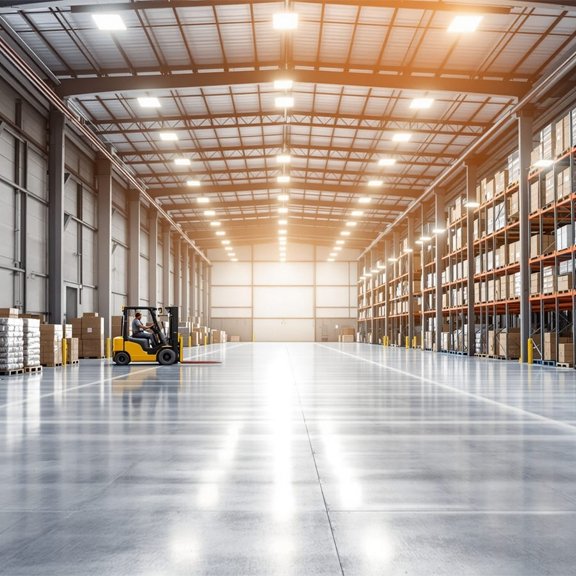
Yes. Epoxy flooring can be considered for warehouses exposed to pedestrian traffic, material handling and industrial equipment, subject to correct substrate preparation and system selection.
- Can epoxy flooring be used in automobile industries?
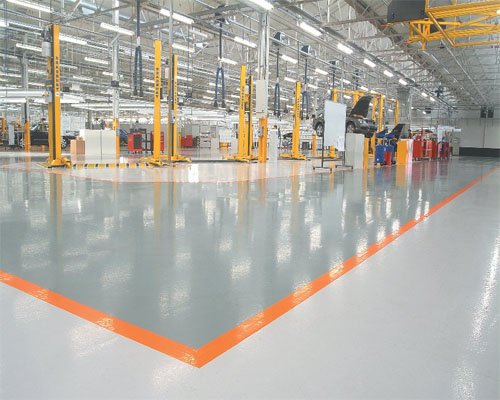
Yes. Epoxy systems are commonly used in automobile workshops and manufacturing environments where floors may experience vehicle movement, oil contamination and mechanical wear.
- Is anti-static epoxy flooring available in Chengalpattu?
Yes. Texel Agency Chengalpattu flooring providers advertise anti-static and ESD epoxy systems for applications where electrostatic control is required.
- How long does epoxy flooring installation take?
The duration depends on floor area, surface preparation, number of layers, repairs, environmental conditions and curing requirements. The contractor should provide a project-specific schedule.
- How much does industrial epoxy flooring cost in Chengalpattu?
The price varies according to area, thickness, epoxy system, substrate preparation, repairs, finish and performance requirements. A site inspection is recommended for an accurate quotation.
- Can epoxy flooring be applied over an existing floor?
It may be possible over an existing concrete or coating system if the substrate is structurally suitable and can be properly prepared. Existing coatings, contamination, moisture and adhesion must be evaluated first.
- How do I choose the right epoxy flooring system?
Consider the expected traffic, equipment loads, chemical exposure, moisture, temperature, hygiene, slip resistance, static-control requirements and desired maintenance level before selecting the system.