Conclusion
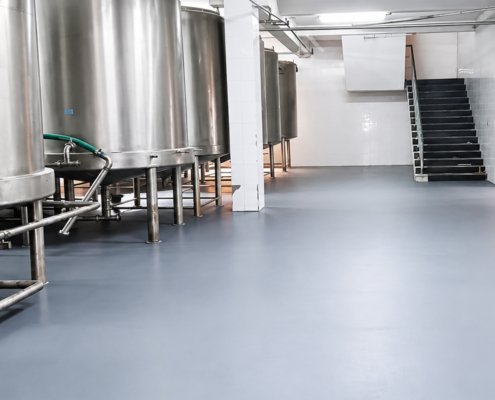
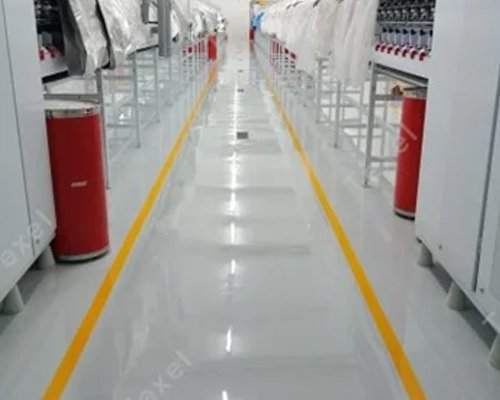
Texel Agency Food Grade Epoxy Flooring Services in Chengalpattu provide specialized flooring solutions for food processing plants, commercial kitchens, bakeries, dairies, beverage facilities, food warehouses, restaurants, pharmaceutical areas and other hygiene-sensitive environments.
The right flooring system should be selected based on the actual operating conditions of the facility, including moisture, traffic, cleaning chemicals, temperature, slip resistance, drainage and substrate condition. Proper surface preparation, compatible materials, correct application thickness and adequate curing are essential for reliable performance.
For food-processing facilities, flooring should be considered as one component of the overall hygiene system. Selecting a suitable food-grade product with appropriate technical documentation and using an experienced flooring contractor can help create a durable, cleanable and operationally suitable floor.
FAQs – Food Grade Epoxy Flooring Services in Chengalpattu
- What is food grade epoxy flooring?
Food grade epoxy flooring is a resin-based flooring system specified for food processing, preparation, storage and other hygiene-sensitive environments.
- Where is food grade epoxy flooring used?
It is commonly considered for food factories, commercial kitchens, bakeries, dairies, beverage plants, food warehouses, packaging areas and other food-related facilities.
- Is epoxy flooring suitable for food processing plants?
A properly selected and installed system can be suitable for food-processing environments. The product should have appropriate documentation for its intended application and be compatible with the facility’s cleaning and operating conditions.
- Is food grade epoxy flooring easy to clean?
Yes. A properly installed seamless epoxy surface can provide a smooth, cleanable finish. Cleaning chemicals and methods should be checked for compatibility with the selected system.
- Can food grade epoxy flooring resist chemicals?
Specific epoxy formulations can provide resistance to selected chemicals. The contractor should verify compatibility with the actual cleaning agents, acids, oils and process chemicals used at the site.
- Can food grade epoxy flooring be anti-slip?
Yes. Textured or aggregate finishes can be incorporated where wet conditions require additional slip resistance.
- What thickness is recommended for food grade epoxy flooring?
There is no single thickness suitable for every food facility. Current Chengalpattu product listings include 4 mm and 5 mm food-grade epoxy systems, but the required thickness should be determined by traffic, substrate condition and operating requirements.
- Can epoxy flooring be used in commercial kitchens?
Yes. Food-grade epoxy systems can be considered for commercial kitchens where seamless, cleanable and moisture-resistant flooring is required.
- Can food grade epoxy flooring be used in dairies?
Yes. Flooring can be specified for dairy-processing areas, subject to suitable chemical, moisture, temperature and cleaning requirements.
- Does food grade epoxy flooring require surface preparation?
Yes. Proper surface preparation is essential for adhesion and flooring performance. Grinding, blasting and priming are commonly used depending on the substrate and selected system.
- Can floor-to-wall coving be provided?
Yes. Coving can be incorporated where required, particularly in hygiene-sensitive processing and washdown areas.
- How long does food grade epoxy flooring take to install?
Installation time depends on floor area, substrate preparation, number of layers, repairs, environmental conditions and curing requirements. A project-specific schedule should be provided by the contractor.
- How much does food grade epoxy flooring cost in Chengalpattu?
Cost varies according to floor area, thickness, surface preparation, resin system, repairs, finish and application requirements. A site inspection is recommended for an accurate quotation.
- Is food grade epoxy the same as ordinary epoxy flooring?
Not necessarily. A product marketed specifically for food-related environments should have documentation supporting its intended use. Product selection should consider hygiene, cleaning, chemical exposure and any applicable regulatory or customer requirements.