Conclusion
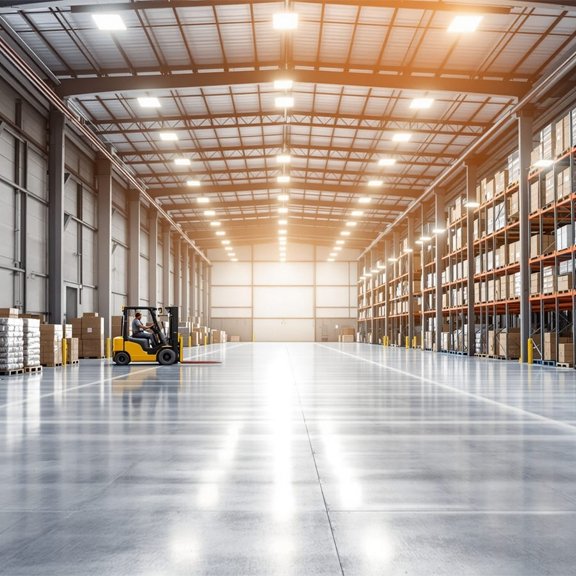
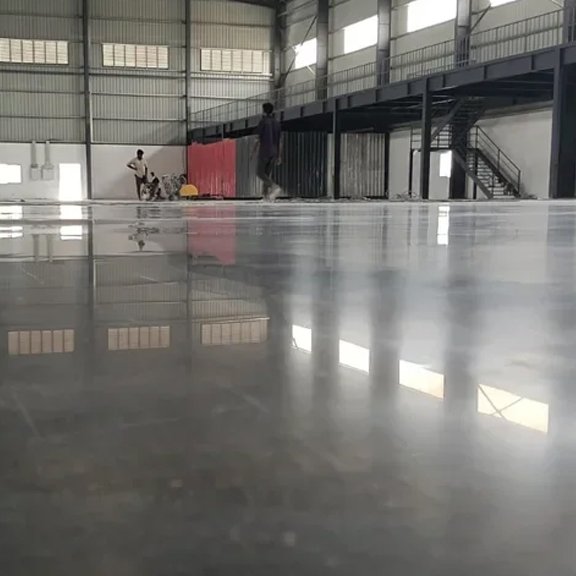
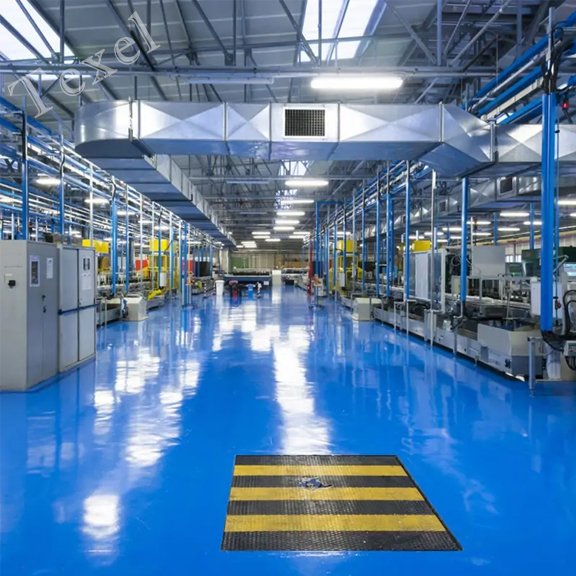
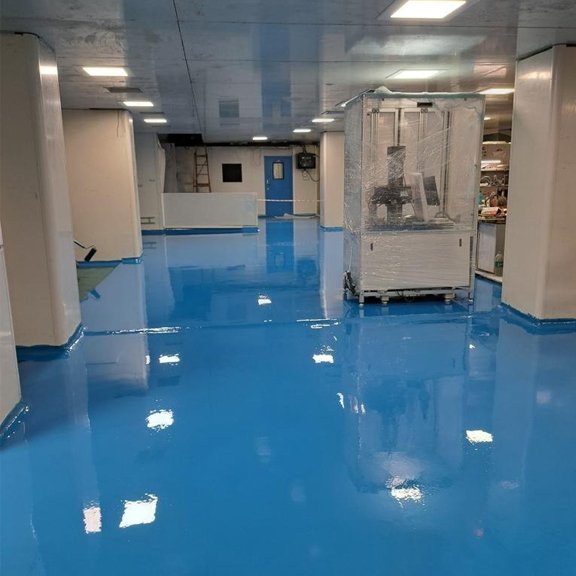
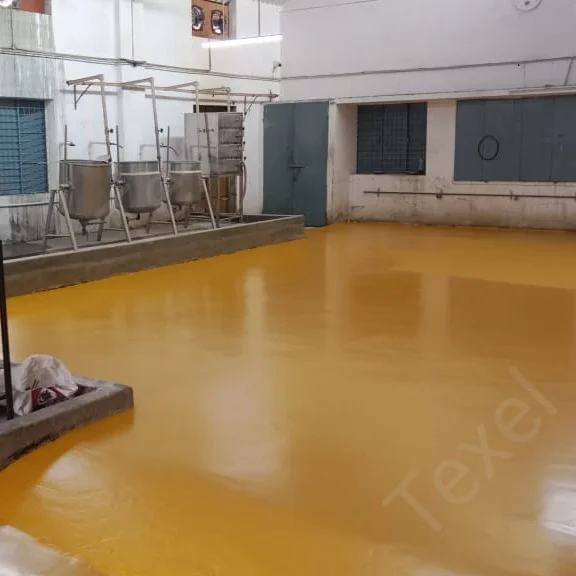
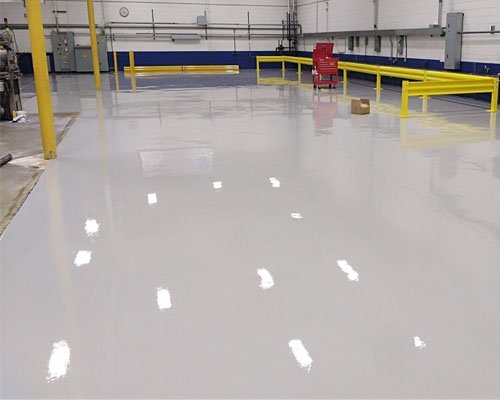
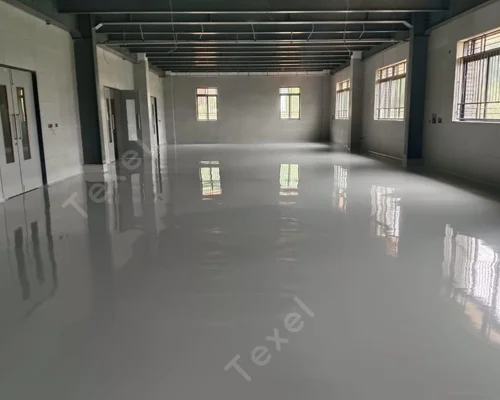
Texel Agency Warehouse Flooring Services in Hosur provide specialized solutions for warehouses, logistics centres, godowns, manufacturing storage areas and distribution facilities. Epoxy, PU, VDF, Trimix, concrete polishing and densification systems can be selected according to the operational requirements of the facility.
A successful warehouse flooring project starts with proper assessment of the existing concrete, forklift traffic, rack loads, flatness requirements, moisture, chemical exposure and maintenance needs. Professional surface preparation and correct material selection are equally important for long-term floor performance.
For warehouses in Hosur and surrounding industrial areas, selecting a flooring contractor based on technical capability, preparation methods, material specifications, installation process and project experience can help achieve a durable, clean and operationally suitable warehouse floor.
FAQs – Warehouse Flooring Services in Hosur
- What is warehouse flooring?
Warehouse flooring is a flooring system designed for storage and logistics environments where the floor may experience forklifts, pallet trucks, racks, heavy loads and continuous traffic.
- Which flooring is best for a warehouse?
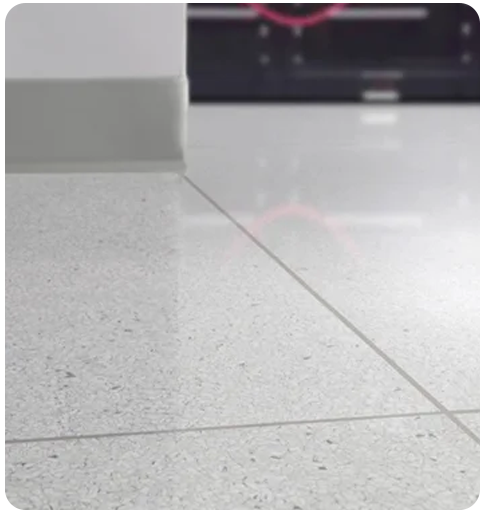
The appropriate flooring depends on traffic, loading, substrate condition, chemical exposure, flatness requirements, cleaning methods and budget. Epoxy, PU, VDF, Trimix and polished concrete are commonly considered.
- Is epoxy flooring suitable for warehouses?
Yes. Epoxy flooring can be suitable for many warehouses where a seamless, durable and easy-to-clean surface is required.
- Is VDF flooring suitable for warehouses?
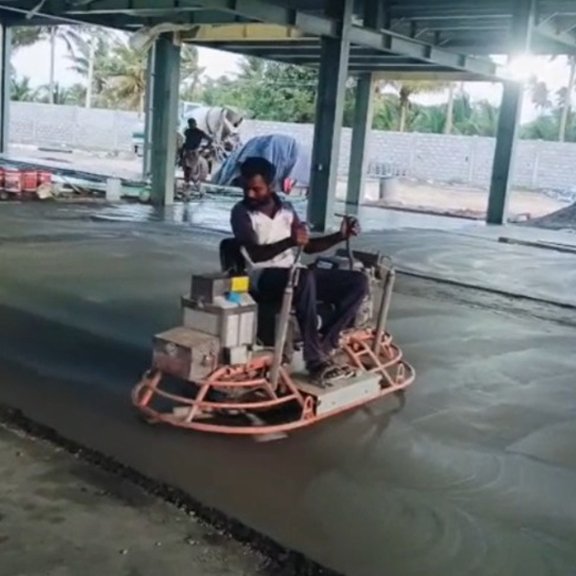
VDF flooring can be considered for warehouses requiring a dense, level and durable concrete base, particularly in new construction or major floor reconstruction projects.
- Can warehouse floors be made anti-slip?
Yes. Suitable textured or aggregate finishes can be incorporated where additional traction is required.
- Can forklift traffic damage warehouse flooring?
Forklift traffic can create significant mechanical wear if the floor system is not suitable for the wheel type, loads and traffic frequency. The flooring specification should therefore be based on actual forklift operations.
- Can warehouse flooring include line marking?
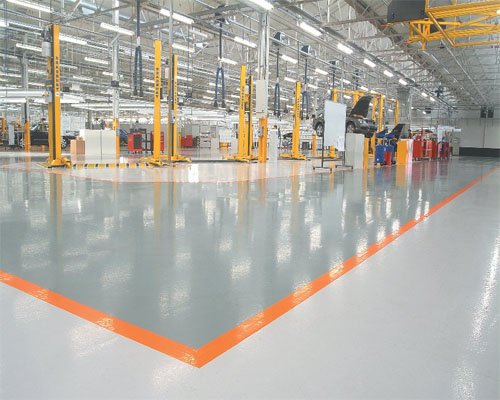
Yes. Walkways, forklift routes, storage bays, loading zones, emergency areas and other operational zones can be marked using suitable industrial marking systems.
- How thick should warehouse epoxy flooring be?
There is no single thickness for every warehouse. Current Hosur listings show systems around 3–4 mm, while other industrial systems can be thinner or considerably thicker depending on the application.
- Can old warehouse floors be renovated?
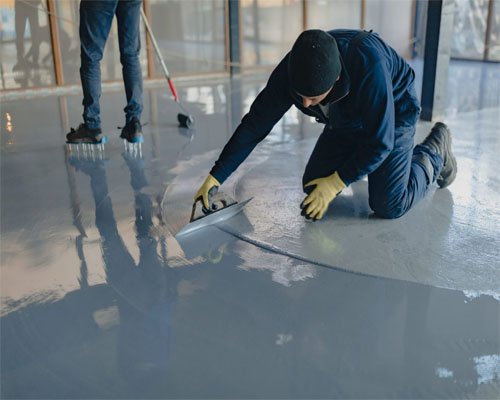
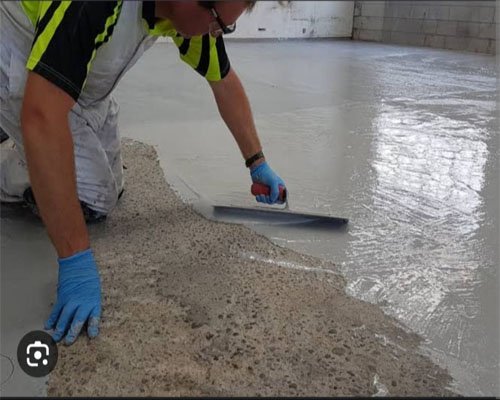
Yes, depending on the condition of the existing concrete. Mechanical preparation, crack repair, levelling, densification, polishing or a suitable coating system may be considered after inspection.
- How long does warehouse flooring installation take?
The duration depends on floor area, preparation requirements, repairs, flooring system, number of coats and curing conditions. A contractor should provide a project-specific schedule.
- Is warehouse flooring easy to maintain?
Properly selected and installed warehouse flooring can simplify routine cleaning and maintenance. Regular inspection is still important, particularly around joints, loading zones and high-traffic areas.
- How much does warehouse flooring cost in Hosur?
Pricing varies based on flooring type, thickness, preparation, floor condition, area and finish. A site inspection is recommended for an accurate quotation.